How I Long for the Olive Harvest Days…
When Happiness Lived Among the Branches of the Trees
By Elias Awad
There are memories that the passing years can never erase, no matter how much we grow older or how far life takes us along its winding paths. These memories remain engraved in our hearts, coming alive whenever we pass a familiar place, breathe in a familiar scent, or hear a sound that takes us back to the beautiful days of childhood.
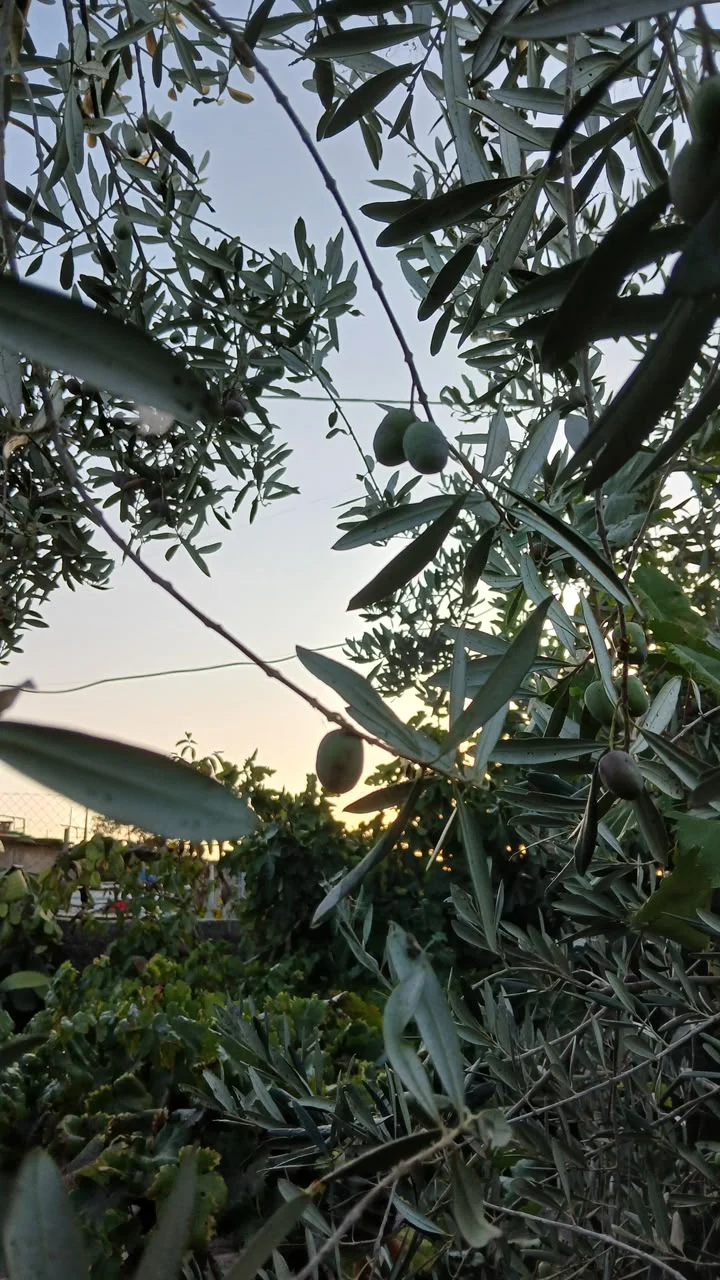
For me, the memories of the olive harvest remain among the most beautiful treasures of my childhood, and among the moments I long for most whenever autumn arrives and the olives begin to ripen on their blessed trees.
How happy I was as a little boy when mid-October approached, announcing the beginning of the olive harvest season, which continued until late November. For us, this season was never merely an agricultural activity or a time to gather fruit. It was a family celebration we eagerly awaited, an annual appointment with joy, love, and the land.
My family owned a few olive trees, and harvest season meant that we would all gather together: my brothers and sisters, my parents, and my uncle’s family. We would go to our land as one family. We woke up early, gathered our baskets and bags, and set off toward the olive trees as though we were embarking on one of the most beautiful journeys of our lives.
I still remember the excitement that filled our young hearts as we ran between the trees, racing to reach them first, as if each tree were waiting to welcome us with its outstretched branches.
Today, I cannot help but smile when I remember the little arguments I used to have with my siblings! We competed and pushed one another to be the first to climb the ladder, or to climb the tree and reach its highest branches. Each of us wanted to prove that he was the strongest and bravest, capable of picking olives from the highest branches.
Amid those innocent competitions, my grandmother, may she rest in peace, would intervene with her gentle voice, which still echoes in my ears to this day. She would call out to me:
“Come here, my dear. You’re still little. Come and gather the olives with me from beneath the tree.”
I would go to her, sometimes reluctantly, because I wanted to be like my older siblings, climbing the tree and picking its fruit. But now, after all these years have passed, I realize that the most beautiful place I could have been was right beside my grandmother, beneath that blessed tree.
How I wish I could turn back time and sit with her once more, hear her voice, see her smile, and gather the olives scattered on the ground beside her. Back then, I had no idea that those simple moments would one day become some of the most precious treasures of my memory.
The joy of the olive harvest did not end with picking the fruit. It extended to the break we all eagerly awaited when lunchtime arrived.
My mother and my uncle’s wife would prepare the most delicious food, as though a meal beneath an olive tree had a special taste that could never be found anywhere else. We would all sit on the ground, spreading out whatever we had to sit on, sharing food, laughter, and stories.
There were no phones to distract us, no screens to keep us apart, and no appointments to steal our time. We had something far more precious than all of that: we had one another.
And drinking tea beneath the olive tree was a story of its own!
Oh, how I long for that hot tea, for its aroma mingling with the scent of the earth and olive leaves, and for the conversations among the adults while we children sometimes listened and sometimes played.
That simple cup of tea held a warmth that even the finest cafés today cannot offer. We did not realize then that true happiness could be found in a cup of tea, a piece of bread, or a family’s laughter beneath an ancient tree.
As the years passed, I came to understand that the olive tree was not merely a tree growing on our family’s land. It was part of our identity, our history, and our faith.
In Palestine, the olive is more than an agricultural crop. It is a symbol of resilience, peace, blessing, and belonging to the land. This tree, which can live for hundreds of years and stand tall despite the harshness of nature, reminds us that deep roots cannot easily be torn away by the wind.
And how many blessings the olive tree gives us! We eat its fruit, and from it we obtain the olive oil that accompanies our meals and forms part of our daily lives. Olive oil also holds a special place in our spiritual and ecclesiastical traditions.
In Bethlehem, the olive tree carries an additional meaning. For generations, our city has been renowned for its beautiful religious carvings and artistic handicrafts made from olive wood. From this blessed wood, artisans create icons, crosses, rosaries, and nativity scenes depicting the birth of Jesus Christ. These pieces of our sacred land travel from Bethlehem into homes and churches around the world.
Thus, the olive tree gives us not only its fruit and oil, but also art, heritage, and livelihoods. It becomes a silent ambassador for Bethlehem, carrying the story of our city to the world.
How beautiful it is to reflect upon this remarkable tree!
When its branches are pruned, or part of it is cut away, it can grow new branches again. It is as though the tree is telling us that life does not end with pain, that loss is not always the end, and that what we consider a breaking point may become the beginning of new growth.
How much this tree resembles us, the people of this land!
We go through difficult circumstances, face pressures and challenges, and sometimes feel that every door has closed before us. Yet the olive tree teaches us to remain rooted in our land, steadfast in our faith, and confident that God can open new doors even when life seems full of obstacles.
Just as new branches emerge from a tree that some might believe has lost its strength, a person, through the grace of God, can begin again, no matter how difficult the circumstances may become.
Perhaps one of the most beautiful passages in the Bible about the olive tree is found in the Book of Psalms:
“But I am like a green olive tree in the house of God: I trust in the mercy of God for ever and ever.” (Psalm 52:8, KJV)
What a beautiful image! A person who trusts in God is like a green olive tree, firmly rooted, continually renewed, and never losing hope, no matter how the seasons change.
The Bible also says:
“Thy children like olive plants round about thy table.” (Psalm 128:3, KJV)
Whenever I read this verse, images return to my mind of our family gathered beneath the olive trees, eating together, laughing together, and sharing both the hard work and the joy of the day. It is as though this verse captures the blessing of family life and the gathering of generations around one table.
The Gospels also tell us about the Mount of Olives, which was connected to important moments in the life of Jesus Christ, and the Garden of Gethsemane, where Jesus prayed on the night of His suffering. In this way, the olive trees remind us that true faith does not mean a life without pain, but rather trusting God even in the most difficult moments.
Today, when I look at my own children, I wish for them to experience what we experienced in our childhood. I want them to understand the value of the land, the beauty of working together, and the blessing of family gatherings. I want them to realize that happiness cannot be bought with money; it is created through simple moments of love.
I hope they will know what it means to get their hands dirty in the soil, race between olive trees, rejoice over every olive they gather, and sit beneath a tree waiting for a meal and a cup of tea.
I hope the olive trees will continue to bear witness to our family stories, and that this beautiful tradition will live on from one generation to the next, rather than becoming nothing more than old photographs stored on our phones or memories we tell our children about.
For the olive harvest was never merely a season for gathering fruit. It was a season for gathering love, planting memories, and learning patience, cooperation, and belonging.
Although the years have passed, we have grown older, and so many details of our lives have changed, the child I once was still lives within me.
That child who would wake up with excitement whenever he heard his father calling him to go to the land.
That child who would argue with his siblings over who would climb the ladder first.
That child whose grandmother would call him to gather olives with her beneath the tree.
That child who would wait for his mother’s cooking, sit close to his family, drink tea, and laugh without carrying the worries of tomorrow.
Oh, how I long for those days!
I long for my grandmother’s voice, my siblings’ laughter, our family gatherings, the scent of the soil, and the rustling of olive leaves as the autumn breeze passed through them.
I long for a time when we owned few things, yet possessed an abundance of joy.
I long for that simplicity whose beauty we only began to understand after we grew older.
If only time would grant me one more chance, even for a single day, to return to that land—not as the person I am today, but as a little boy, running between the olive trees, competing with my siblings to climb the ladder, and then hearing my grandmother’s voice calling to me from a distance:
“Come here, my dear. Come and gather the olives with me.”
I would run toward her, sit beside her, hold her hand, and wish that day would never end.
How I long to be a little boy again, running with joy to pick olives… never knowing that, in truth, I was gathering the most beautiful memories of my life.
كم أشتاق إلى أيام قطف الزيتون…
حين كانت السعادة تسكن بين أغصان الشجر
بقلم: الياس عوض
هناك ذكريات لا تمحوها السنون، مهما كبرنا، ومهما أخذتنا الحياة في دروبها المتشعبة. ذكريات تبقى محفورة في قلوبنا، تنبض بالحياة كلما مررنا بمكان، أو شممنا رائحة، أو سمعنا صوتًا يعيدنا إلى أيام الطفولة الجميلة. وبالنسبة لي، تبقى ذكريات موسم قطف الزيتون من أجمل ما حملته طفولتي، ومن أكثر اللحظات التي أشتاق إليها كلما حلّ الخريف، وبدأت حبات الزيتون تنضج على أغصان أشجارها المباركة.
كم كانت سعادتي عظيمة وأنا طفل صغير، عندما يقترب منتصف شهر تشرين الأول، معلنًا بداية موسم قطف الزيتون الذي يمتد حتى أواخر تشرين الثاني. لم يكن هذا الموسم بالنسبة لنا مجرد عمل زراعي أو جمع ثمار، بل كان عيدًا عائليًا ننتظره بشوق ولهفة، وكأنه موعد سنوي مع الفرح والمحبة والأرض.
كانت عائلتي تمتلك البعض من أشجار الزيتون، وكان موسم القطاف يعني أن نجتمع جميعًا، أنا وإخوتي ووالداي وعائلة عمي، لنذهب معًا إلى أرضنا. كنا نستيقظ باكرًا، نحمل سلالنا وأكياسنا، وننطلق نحو أشجار الزيتون وكأننا ذاهبون في رحلة من أجمل رحلات العمر.
ما زلت أذكر ذلك الحماس الطفولي الذي كان يملأ قلوبنا، ونحن نركض بين الأشجار، نتسابق للوصول إليها، وكأن كل شجرة كانت تنتظرنا لتعانقنا بأغصانها.
وكم أضحك اليوم عندما أتذكر شجاراتي الصغيرة مع إخوتي! كنا نتنافس ونتدافع على من سيصعد السلم أولًا، ومن سيتمكن من تسلق الشجرة والوصول إلى أغصانها العالية. كان كل واحد منا يريد أن يثبت أنه الأقوى والأشجع، وأنه قادر على قطف الزيتون من أعلى الأغصان.
وفي خضم تلك المنافسات البريئة، كانت جدتي، رحمها الله، تتدخل بصوتها الحنون الذي ما زال يرن في أذني حتى اليوم، وتناديني قائلة:
«تعال يا ستي، إنت بعدك صغير، تعال لُمّ الزيتون معي من تحت الشجرة».
وكنت أذهب إليها، أحيانًا على مضض، لأنني كنت أريد أن أكون مثل إخوتي الكبار، أصعد الشجرة وأقطف ثمارها. لكنني اليوم، وبعد أن مضت تلك السنوات، أدرك أن أجمل مكان كان يمكن أن أجلس فيه هو بجانب جدتي، تحت تلك الشجرة المباركة.
كم أتمنى لو تعود بي الأيام لأجلس معها مرة أخرى، أسمع صوتها، وأرى ابتسامتها، وأجمع معها حبات الزيتون المتناثرة على الأرض. لم أكن أعلم يومها أن تلك اللحظات البسيطة ستصبح يومًا من أغلى كنوز ذاكرتي.
ولم تكن فرحة موسم الزيتون تقتصر على القطاف وحده، بل كانت تمتد إلى تلك الاستراحة التي ننتظرها جميعًا، عندما يحين وقت الطعام.
كانت أمي وزوجة عمي تحضّران لنا أشهى المأكولات، وكأن الطعام تحت شجرة الزيتون له طعم مختلف لا يمكن أن نجده في أي مكان آخر. كنا نجلس جميعًا على الأرض، نفترش ما تيسر لنا، ونتشارك الطعام والضحكات والأحاديث.
لم تكن هناك هواتف تشغلنا، ولا شاشات تبعدنا عن بعضنا، ولا مواعيد تسرق منا الوقت. كنا نمتلك شيئًا أثمن من كل ذلك: كنا نمتلك بعضنا بعضًا.
وكان لشرب الشاي تحت شجرة الزيتون حكاية أخرى!
آه، كم أشتاق إلى ذلك الشاي الساخن، وإلى رائحته التي تختلط برائحة الأرض وأوراق الزيتون، وإلى الأحاديث التي كانت تدور بين الكبار، بينما نجلس نحن الصغار نستمع أحيانًا، ونلعب أحيانًا أخرى.
كان كوب الشاي البسيط يحمل من الدفء ما لا تستطيع أفخم المقاهي أن تمنحنا إياه اليوم. ولم نكن نعرف أن السعادة الحقيقية قد تختبئ في كوب شاي، أو قطعة خبز، أو ضحكة عائلية تحت شجرة عتيقة.
ومع مرور السنوات، أدركت أن شجرة الزيتون لم تكن مجرد شجرة في أرض عائلتنا، بل كانت جزءًا من هويتنا وتاريخنا وإيماننا.
فالزيتون في أرض فلسطين ليس مجرد محصول زراعي، بل هو رمز للصمود والسلام والبركة والانتماء إلى الأرض. هذه الشجرة التي تعيش مئات السنين، وتقف شامخة رغم قسوة الطبيعة، تذكرنا دائمًا بأن الجذور العميقة لا تقتلعها الرياح بسهولة.
وكم تحمل شجرة الزيتون من خيرات! فمن ثمارها نأكل الزيتون، ومن عصرها نحصل على الزيت الذي يرافق موائدنا وحياتنا اليومية، والذي له أيضًا مكانة خاصة في تقاليدنا الروحية والكنسية.
وفي بيت لحم، تكتسب شجرة الزيتون معنى آخر، إذ اشتهرت مدينتنا منذ أجيال بصناعة التحف والمشغولات الفنية من خشب الزيتون. ومن هذا الخشب المبارك تصنع الأيقونات والصلبان والمسابح والمغارات التي تجسد ميلاد السيد المسيح، فتنتقل قطع من أرضنا المقدسة إلى بيوت الناس وكنائسهم في مختلف أنحاء العالم.
وهكذا، لا تمنحنا شجرة الزيتون ثمارها وزيتها فحسب، بل تمنحنا أيضًا فنًا وتراثًا ورزقًا، وتصبح سفيرة صامتة لبيت لحم، تحمل رسالتها إلى العالم.
وما أجمل التأمل في هذه الشجرة العجيبة!
فعندما تُقلَّم أغصانها، أو يُقطع جزء منها، تستطيع أن تعود وتنبت أغصانًا جديدة. وكأنها تقول لنا إن الحياة لا تنتهي عند الألم، وإن الخسارة ليست دائمًا النهاية، وإن ما نعتقد أنه انكسار قد يكون بداية لنمو جديد.
كم تشبهنا هذه الشجرة نحن أبناء هذه الأرض!
نمر بظروف صعبة، ونواجه الضغوط والتحديات، ونشعر أحيانًا أن الأبواب قد أُغلقت أمامنا. لكن شجرة الزيتون تعلمنا أن نبقى متجذرين في أرضنا، ثابتين في إيماننا، واثقين بأن الله قادر على أن يفتح أبوابًا جديدة، حتى عندما تبدو الحياة مليئة بالعقبات.
فكما تنبت أغصان جديدة من شجرة ظن البعض أنها فقدت قوتها، يستطيع الإنسان، بنعمة الله، أن يبدأ من جديد مهما اشتدت عليه الظروف.
ولعل من أجمل ما ورد في الكتاب المقدس عن شجرة الزيتون قول صاحب المزمور:
«أَمَّا أَنَا فَمِثْلُ زَيْتُونَةٍ خَضْرَاءَ فِي بَيْتِ اللهِ. تَوَكَّلْتُ عَلَى رَحْمَةِ اللهِ إِلَى الدَّهْرِ وَالأَبَدِ». (مزمور 52: 8)
يا لها من صورة جميلة! فالإنسان المتكل على الله يشبه زيتونة خضراء، ثابتة الجذور، متجددة الحياة، لا تفقد رجاءها مهما تغيرت الفصول.
ويقول الكتاب المقدس أيضًا:
«بَنُوكَ مِثْلُ غُرُوسِ الزَّيْتُونِ حَوْلَ مَائِدَتِكَ». (مزمور 128: 3)
وكلما قرأت هذه الآية، عادت إلى ذاكرتي صور عائلتنا وهي مجتمعة تحت أشجار الزيتون، نأكل معًا ونضحك معًا ونتشارك تعب النهار وفرحته. وكأن تلك الآية تجسد ما عشناه في طفولتنا من بركة العائلة واجتماع الأجيال حول مائدة واحدة.
ويخبرنا الإنجيل أيضًا عن جبل الزيتون، الذي ارتبط بمحطات مهمة من حياة السيد المسيح، وعن بستان جثسيماني، حيث صلى يسوع في ليلة آلامه. وهكذا تذكرنا أشجار الزيتون بأن الإيمان الحقيقي لا يعني غياب الألم، بل الثقة بالله حتى في أشد اللحظات صعوبة.
واليوم، عندما أنظر إلى أولادي، أتمنى أن يعيشوا ما عشناه نحن في طفولتنا، وأن يعرفوا قيمة الأرض، وجمال العمل الجماعي، وبركة اجتماع العائلة، وأن يدركوا أن السعادة لا تُشترى بالمال، بل تُصنع من لحظات المحبة البسيطة.
أتمنى أن يعرفوا معنى أن تتسخ أيديهم بتراب الأرض، وأن يتسابقوا بين أشجار الزيتون، وأن يفرحوا بكل حبة يجمعونها، وأن يجلسوا تحت الشجرة ينتظرون الطعام وكوب الشاي.
وأتمنى أن تبقى أشجار الزيتون شاهدة على حكايات عائلاتنا، وأن تستمر هذه العادة الجميلة جيلًا بعد جيل، فلا تتحول إلى مجرد صور قديمة نحتفظ بها في هواتفنا، أو ذكريات نحكيها لأبنائنا.
فموسم الزيتون لم يكن يومًا موسمًا لجمع الثمار فقط، بل كان موسمًا نجمع فيه المحبة، ونزرع الذكريات، ونتعلم الصبر والتعاون والانتماء.
ومع أن السنوات مضت، وكبرنا، وتغيرت تفاصيل كثيرة في حياتنا، فإن الطفل الذي كنته ما زال يعيش في داخلي.
ذلك الطفل الذي كان يستيقظ فرحًا عند سماع والده يناديه للذهاب إلى الأرض.
ذلك الطفل الذي كان يتشاجر مع إخوته على السلم.
ذلك الطفل الذي كانت جدته تناديه ليجمع الزيتون معها من تحت الشجرة.
ذلك الطفل الذي كان ينتظر طعام أمه، ويجلس بالقرب من عائلته يشرب الشاي ويضحك دون أن يحمل همّ الغد.
آه، كم أشتاق إلى تلك الأيام!
أشتاق إلى صوت جدتي، وإلى ضحكات إخوتي، وإلى جلسات العائلة، وإلى رائحة التراب، وإلى خشخشة أوراق الزيتون حين تحركها نسمات الخريف.
أشتاق إلى زمن كنا فيه نملك القليل من الأشياء، ولكننا نملك الكثير من الفرح.
أشتاق إلى تلك البساطة التي لم نكن ندرك جمالها إلا بعدما كبرنا.
وليت الزمن يمنحني فرصة واحدة، ولو ليوم واحد فقط، لأعود إلى تلك الأرض، لا كما أنا اليوم، بل طفلًا صغيرًا، أركض بين أشجار الزيتون، وأتنافس مع إخوتي على صعود السلم، ثم أسمع صوت جدتي من بعيد يناديني:
«تعال يا ستي، تعال لُمّ الزيتون معي».
فأركض نحوها، وأجلس إلى جانبها، وأمسك بيدها، وأتمنى ألا ينتهي ذلك النهار أبدًا.
كم أشتاق أن أعود طفلًا صغيرًا، أركض بفرح لأقطف الزيتون… دون أن أعلم أنني، في الحقيقة، كنت أقطف أجمل ذكريات عمري.